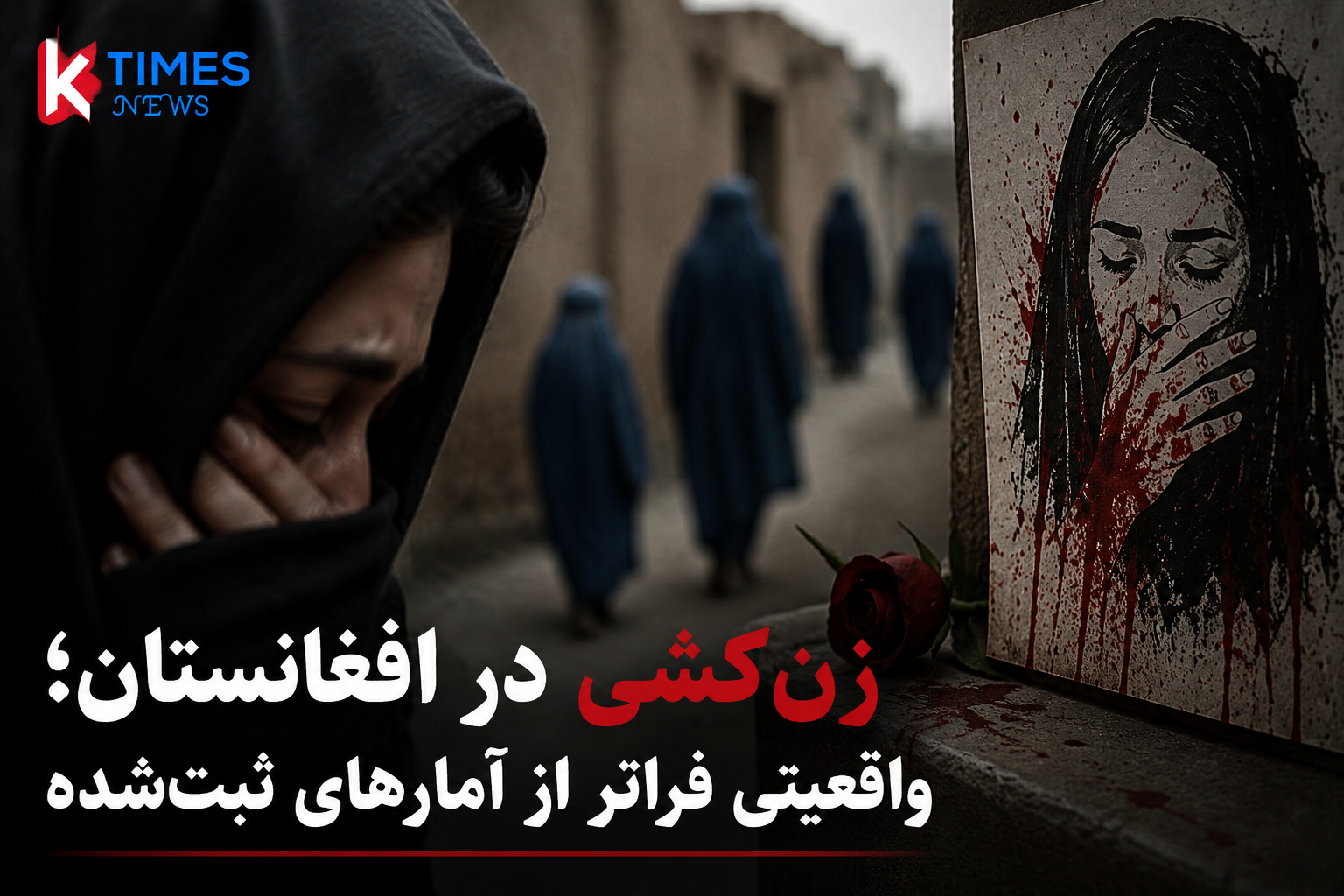
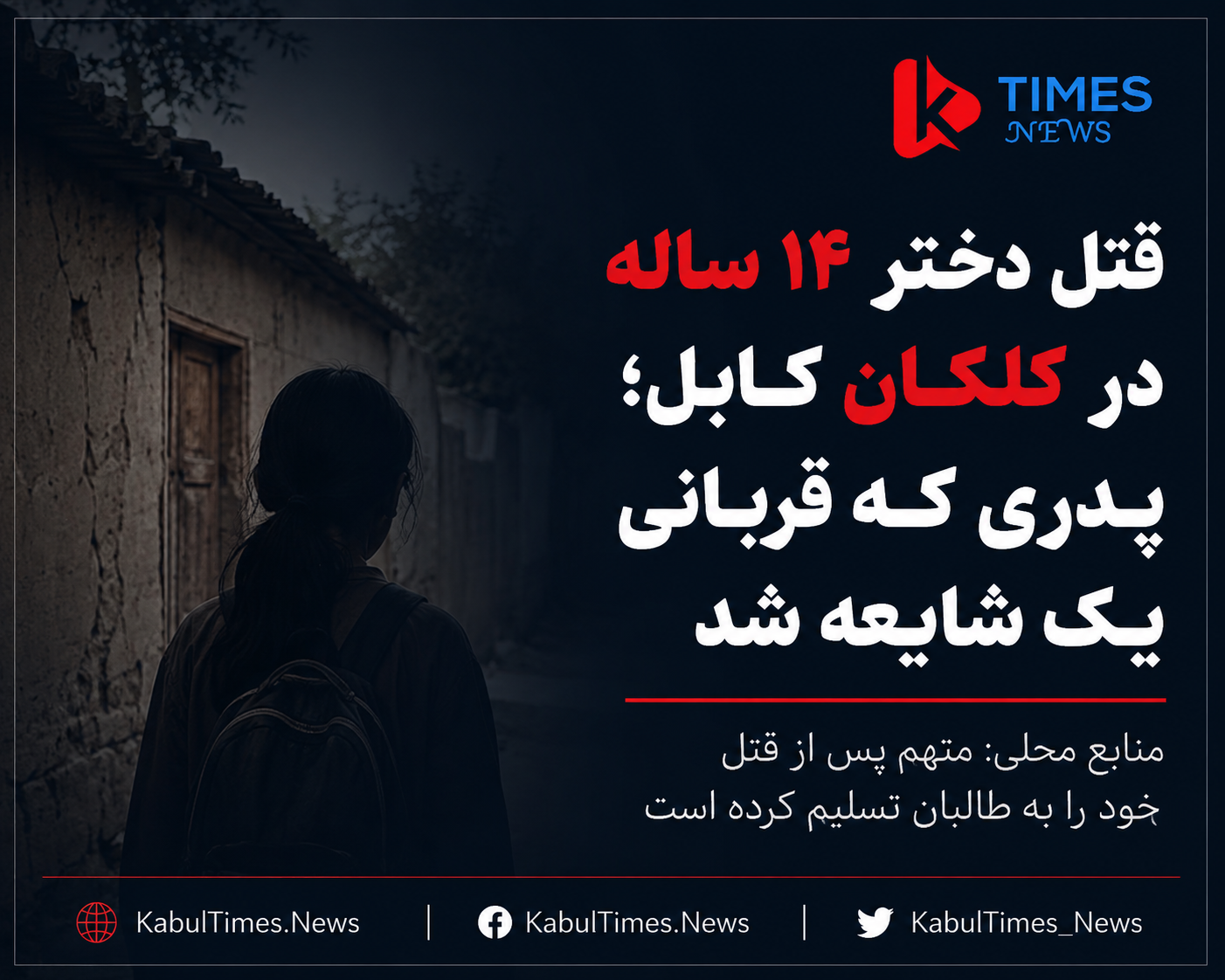
The Shadow of Death Over Afghan Women’s Lives; Statistics Point to Ongoing Femicide and Gender-Based Violence
Kabul Times News | Report by Shahbano Nouri
Growing Concerns Over the Continued Killing of Women in Afghanistan; Recorded Statistics Reveal Only Part of the Reality
As restrictions on women continue and access to protective and justice mechanisms remains severely limited, reports from human rights organizations indicate that the killing of women and other forms of gender-based violence remain among the most serious human rights crises in Afghanistan.
An examination of data published by international organizations and women’s rights advocacy groups shows that dozens of women have been killed across Afghanistan in recent years. However, experts believe that existing statistics reflect only a fraction of the reality, as many cases go unreported or undocumented due to media restrictions, family fears of social consequences, and the absence of a transparent national reporting system.
The Afghanistan Witness project, affiliated with the Centre for Information Resilience (CIR), reported that at least 143 women were killed in Afghanistan within a single year. The figure does not include victims of armed attacks or bombings and is based on media reports and information gathered from local sources.
The organization warned that the actual number of victims is likely much higher than the documented cases. According to the report, an average of approximately 12 women lost their lives every month during the reporting period.
The findings indicate that a significant proportion of these killings were carried out by family members. Husbands, brothers, fathers, and other close relatives were identified among the perpetrators in numerous cases. In some incidents, unidentified individuals were blamed, while in others, members of the Taliban were accused of involvement in the killings.
In another report, Afghanistan Witness stated that from the Taliban’s return to power in August 2021 until mid-2024, at least 332 cases of femicide were documented across Afghanistan. The report also recorded 840 cases of gender-based violence against women and girls between 2022 and 2024.
Women’s rights activists say that restrictions on women’s participation in public life, along with the closure or weakening of women’s support organizations, have made documenting cases of violence increasingly difficult. According to them, many families refrain from reporting killings and abuse due to security concerns, social pressures, and fear of potential repercussions.
Reports further indicate that violence against women extends far beyond murder. Arbitrary detention, forced marriages, domestic violence, threats, harassment, and the deprivation of fundamental rights are among the abuses widely documented by human rights organizations.
In 2025, the Afghanistan Women’s Rights Watch organization reported at least 76 intentional killings of women and girls over the course of a single year. The organization emphasized that violence against women remains one of the most alarming and persistent human rights crises in Afghanistan.
International organizations and human rights advocates have repeatedly urged the global community to prioritize the situation of Afghan women and take more effective measures to document abuses, support victims, and hold perpetrators accountable.
Despite the absence of comprehensive official statistics, available data and reports indicate that the killing of women and gender-based violence remain major concerns in Afghanistan. Observers believe that the true scale of the crisis extends far beyond the figures that have been officially recorded and published.
The Shadow of Death Over Afghan Women’s Lives; Statistics Point to Ongoing Femicide and Gender-Based Violence