Kabul Times News Sources – Kabul:
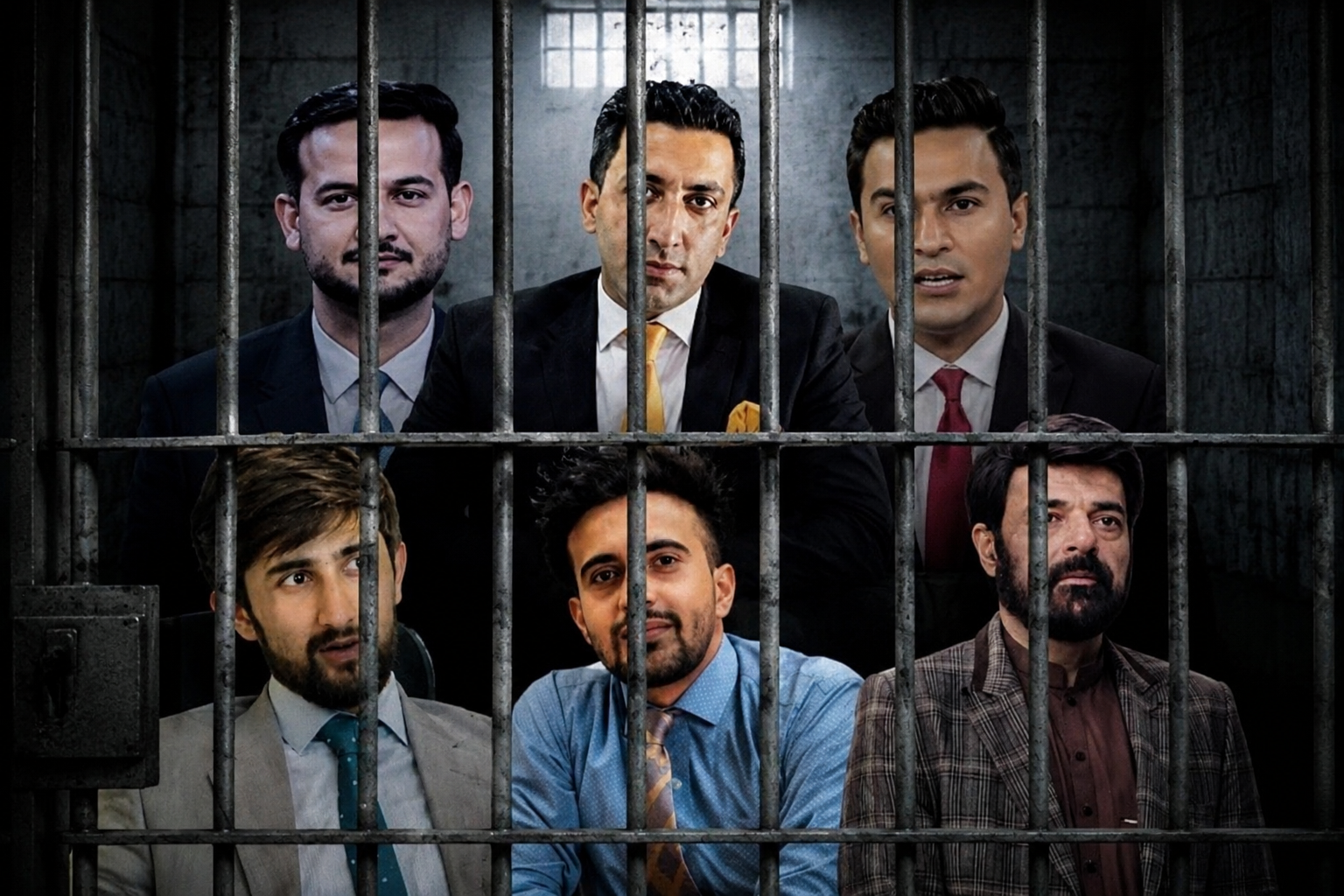
While it was expected that today Mr. Javid Niazi, a journalist and media activist, would be brought to court on Saturday in Afghanistan, up to the moment of preparing this report, no clear and official information has been provided regarding the status of the hearing, the legal process, the location of the trial, or his fate.
This media silence, along with the lack of reliable information, once again shows that journalists in Afghanistan under the current circumstances are not only exposed to threats and pressure, but are also deprived of their most basic right: support and advocacy from media-defending institutions.
More concerning is that in such a critical situation, no statement, official reaction, protest voice, or practical action has been seen or heard from the institutions that call themselves “supporters of journalists and media.”
Four active institutions, yet silent.
According to available information and Kabul Times News sources, there are currently four institutions claiming to support journalists and media in Afghanistan, including:
1. Journalist Safety Committee
2. Afghanistan Free Journalists Union
3. A newly established institution called the Afghan Journalists and Media Support Organization, linked to Mr. Viyar
4. Another newly established institution linked to Mr. Zabih Sadat, former head of Tolo News
These institutions have remained silent while today three journalists, including Javid Niazi, Mansoor Niazi, and Imran Danish, are facing trial, yet no report, statement, legal contact, or civic action has been published by these institutions.
Silence toward the fate of journalists: a great disgrace
According to a number of journalists and media activists, the silence of these institutions regarding the case of Javid Niazi, Mansoor Niazi, and Imran Danish is not merely a simple negligence, but rather reflects surrender, irresponsibility, and a clear disregard for the core mission of these institutions in defending freedom of expression and journalists’ rights.
In a country where journalists face daily threats, censorship, arrest, exile, and enforced silence, institutions claiming to support journalists must at least be active in informing the public and issuing statements. Yet today we witness a shocking situation:
Journalists are in danger, while the supporting institutions are either asleep or engaged in deals.
Are these institutions established only for money and projects, as every day a new organization emerges but has still done no advocacy or work for journalists?
Kabul Times News sources report that this serious and legitimate question is now being raised among Afghan journalists:
Are these institutions only operating to obtain projects, budgets, foreign assistance, and to trade in the name of journalists?
Because if the real purpose of these institutions is truly to defend journalists, they should not remain silent on the day a journalist is brought to trial. Their silence strengthens the belief that many of these structures are active only when it comes to receiving projects and reporting to donors, but have no presence when real defense of journalists is needed.
While the licenses of many journalist-support organizations in Afghanistan have been revoked and their activities declared invalid, now two institutions from the past remain and two are newly established. But the important question is:
If these institutions are also ineffective, silent, and passive, then what is the meaning of their existence?
The two newly established institutions listed among these four have so far provided no clear achievements, no effective programs, no legal action, and no real support for journalists and media.
Journalist support organizations must urgently take serious action in the following areas:
Accurate information-sharing regarding the arrest and trial of journalists
Presence in court sessions or legal follow-up
Issuing official statements and creating media pressure
Advocacy at national and international levels
Contact with international human rights and media organizations
Creating an emergency support network for the families of imprisoned journalists.
But today, in the case of Javid Niazi and the other mentioned journalists, none of these responsibilities have been fulfilled.
The main and painful question of Afghan journalists is:
How long will you remain silent?
How long will you remain indifferent to the fate of journalists?
How long will the name of journalism be used as a tool for business and project-taking?
If these institutions cannot even issue a simple statement, then why do they have offices? Why do they have signboards? Why do they use the name of journalists?
Either support journalists or close your offices.
This report, as a serious warning to all institutions claiming to support journalists and media, emphasizes:
If you are unable to defend, if you lack the courage to take a position, if you cannot even issue an advocacy statement, then close your offices and stop trading in the name of journalists.
This silence is a historical disgrace and will be recorded in the memory of Afghanistan’s media community.
Your silence is a green light for repression.
Every journalist who is pressured today in Afghanistan carries a responsibility that falls directly on the shoulders of those institutions that were supposed to defend them, but remained silent.
Your silence is a green light for repression.
Your silence means the continuation of imprisonment and pressure.
Your silence is betrayal of freedom of expression.
The case of Mr. Javid Niazi is not just a single case, but a symbol of the bitter situation of journalism in Afghanistan. Today Javid Niazi is on trial; tomorrow it will be another journalist.
If supporting institutions remain silent in such critical times, they no longer have the right to call themselves defenders of journalists.
Kabul Times News sources emphasize that the mentioned institutions must immediately:
Provide information about the case of Javid Niazi.
Issue an official advocacy statement.
Follow and document the trial process.
Declare a clear position against the repression of media.
Otherwise, the existence of these institutions will be considered nothing more than a show and a business conducted under the name of journalism.
It is a shame and disgrace that a journalist is in prison while a journalist-support organization remains silent.
The Shameful Silence of Journalist Support Organizations in Afghanistan Regarding the Trial of Javid Niazi