# Afghanistan; Dozens of organizations supporting journalists, but journalists still without shelter
Kabul Times News | Newly established irresponsible organization in Pakistan
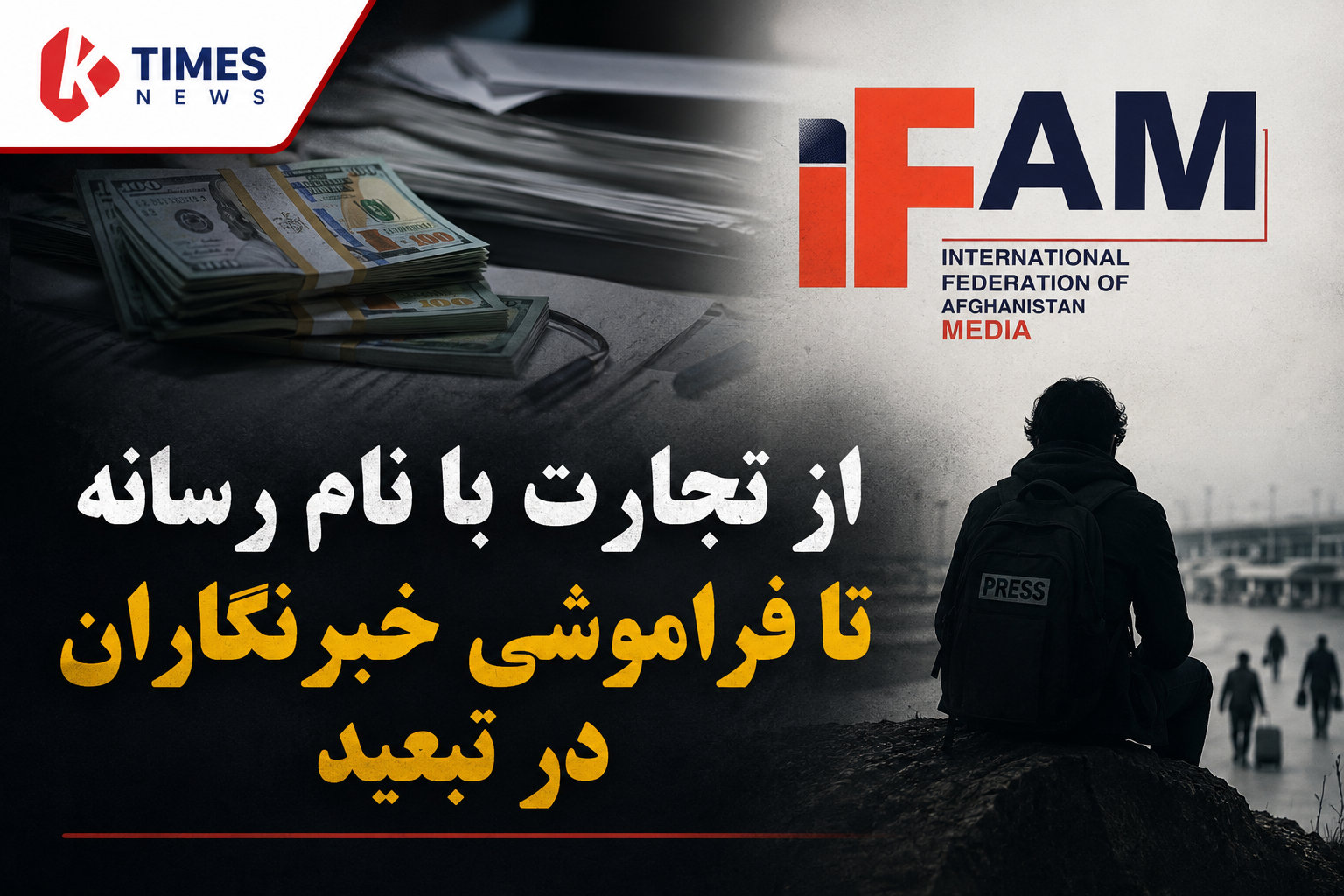
While a number of Afghan journalists living in Pakistan and Europe have announced the establishment of the “International Federation of Afghan Media” (IFAM), many journalists and media activists have expressed doubts about the effectiveness of this organization and say that the experience of the past two decades has shown that a large part of the organizations claiming to support journalists have become revenue-generating projects for their managers rather than serving the media.
The founders of this newly established federation, whose head is not named, say in a statement that their goal is to defend freedom of expression, support journalists, and strengthen access to information; But a number of Afghan journalists are asking how this institution is different from dozens of organizations and federations that were created in the name of journalists in the past years but did not achieve any tangible results for the media community.
According to some journalists, Afghanistan may be one of the few countries where dozens of institutions, associations, federations and organizations claim to support the media, but in practice many journalists have been left without support in the most difficult economic, security and migration conditions.
Afghan journalist Ahmad Shabbir says that in the past years, millions of Afghanis and dollars have been attracted under the name of media support projects, but the majority of journalists have not received any share of this aid.
He adds: “In many cases, aid and projects have been distributed among limited circles and people close to the directors of the institutions, and independent and needy journalists have been practically excluded from this process.”
Afghan journalist Rahela Mohammadi also believes that a large part of media institutions in Afghanistan have been more busy issuing statements, holding meetings and attracting international funds than addressing the real problems of journalists.
According to her, “While hundreds of journalists were struggling with unemployment, poverty and security threats, many institutions claiming to support the media practically played no effective role in improving their situation.”
After the fall of the republican regime and the return of the Taliban to power, hundreds of journalists were forced to leave Afghanistan. Many of them have lived in difficult conditions for months and even years in Pakistan, Iran and other countries; but according to a number of journalists, most media institutions in exile have also failed to provide effective support to this vulnerable group.
Some refugee journalists say that their names have been used repeatedly in reports, projects and requests for international aid, but in practice, none of this aid has reached them.
Media experts emphasize that the crisis of trust between journalists and institutions claiming to support the media has become one of the most serious challenges facing the Afghan media community. They believe that any new institution that is created in this field must, above all, provide clear answers about its financial resources, how its budgets are spent, administrative transparency and practical plans.
The main question now is whether the “International Federation of Afghan Media” will be able to eliminate this widespread distrust and become a real institution to defend journalists.
There is no person in charge of this organization, which does not have a specific office or contact number. We were also unable to obtain the organization's perspective in the report and ask how many people are employed by this organization, which organization approved its license, and how many journalists are registered with this organization.
# Afghanistan; Dozens of organizations supporting journalists, but journalists still without shelter