Migration, Despair, and Limitation; Challenges of the Young Generation of Afghanistan
Kabul Times News | Article
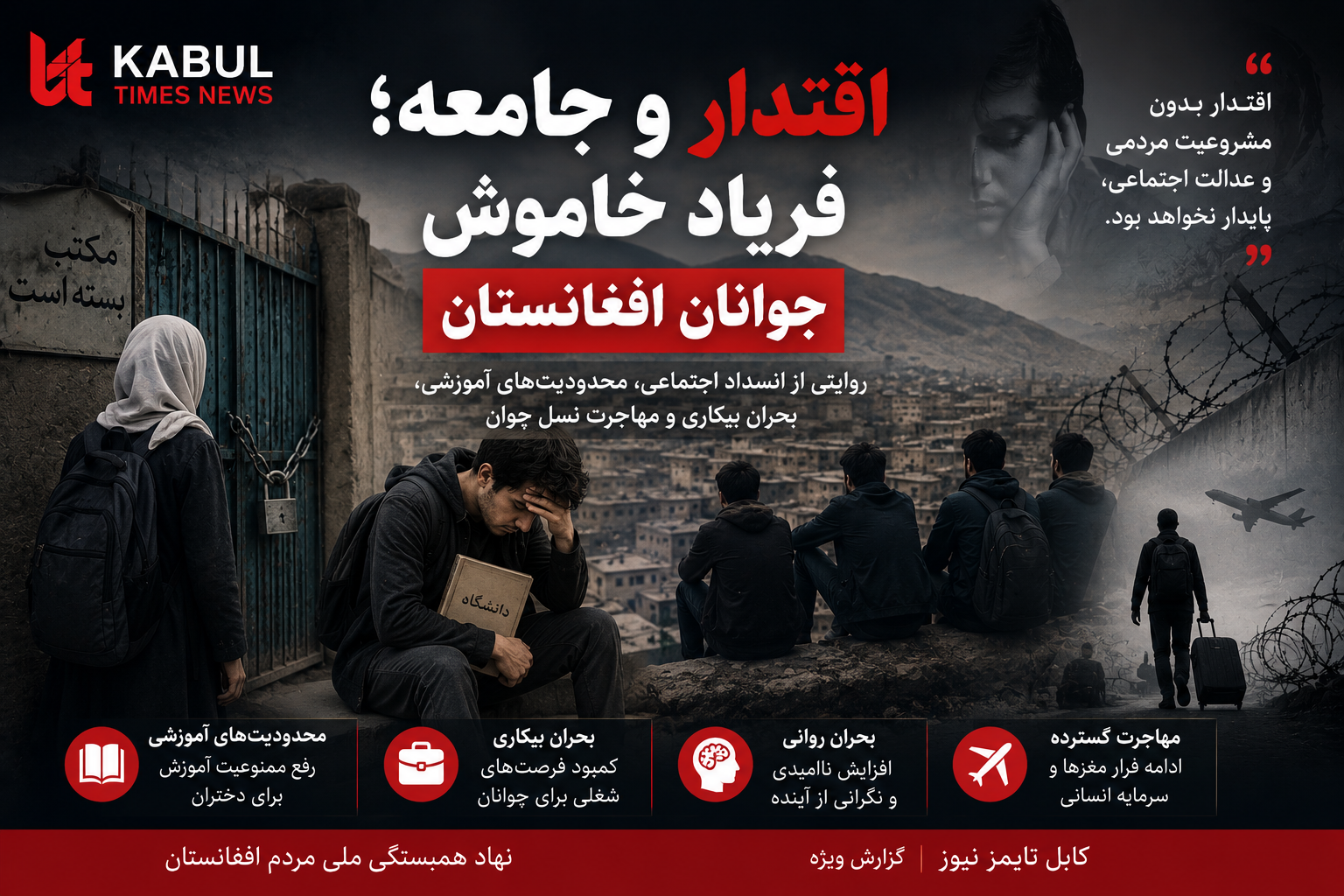
In the sociological literature, the relationship between authority and society is considered stable and constructive when power originates from the public will and provides the basis for the growth of talents, social participation, and human development. However, in Afghanistan today, this relationship has taken a reverse and worrying form. Instead of being a platform for the progress and prosperity of society, the ruling authority has become a high wall against social participation and human development, and has faced the young generation in particular with isolation, despair, and gradual erosion.
### Authority and the Elimination of Social Dynamics
A society that is deprived of pluralism, freedom of expression, and constructive criticism gradually loses its dynamism. In the current structure of Afghanistan, authority is defined on the axis of unanimity and absolute obedience. Civil society organizations, academic centers, universities, and media, which were once a platform for dialogue and intellectual growth, are now facing widespread restrictions.
Meanwhile, the exclusion of women and girls from education, employment, and social arenas has dealt one of the greatest blows to society and has left the country facing a kind of structural paralysis.
### Burnt Generation; Victim of Authoritarianism and Social Crises
Despite their abundant talent, motivation, and potential, the youth of Afghanistan today find themselves facing an ambiguous and limited future. The consequences of this situation can be seen in several basic areas:
Psychological crisis and hopelessness about the future:
Educational restrictions for girls and the lack of job opportunities for young people have created a wave of depression, anxiety, and identity crisis among the younger generation. The feeling of no future has become one of the most serious psychological challenges facing society.
Suppression of Talent and Aspirations:
A generation that grew up with technology, global communications, and great aspirations now faces widespread limitations. Artists, writers, athletes, and academics have been forced to give up or hide many of their aspirations and potential.
Economic pressure and the spread of poverty:
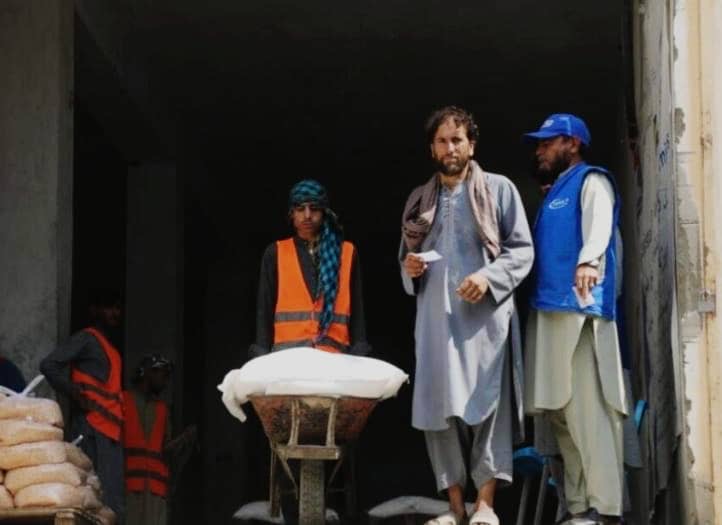
The economic recession, widespread unemployment, and reduced livelihood opportunities have put a heavy strain on families. Many young people have become responsible for providing for their families’ basic needs in difficult circumstances.
### Immigration; a deep wound on the fabric of society
One of the most bitter consequences of the current situation is the increase in immigration and the flight of skilled workers. Young people who could have played a role in the development and prosperity of the country are now choosing difficult migration routes in search of security, education, and better opportunities.
Continuing this trend could face Afghanistan in the coming years with a severe shortage of skilled workers, a decline in scientific capacities, and a continuation of the cycle of poverty and backwardness.
## Final Remarks
Power without popular legitimacy and peace without social justice cannot be sustainable. Afghan society, especially the younger generation, despite widespread pressures and restrictions, still retains hope for change and progress.
To overcome the current crisis, reviewing the power structure, respecting ethnic and religious diversity, removing educational and career restrictions for women, and creating real opportunities for youth is not a political choice, but a vital necessity for the future of Afghanistan.
Migration, Despair, and Limitation; Challenges of the Young Generation of Afghanistan