There is no peace, no victory; the confrontation between Tehran and Washington has entered a “permanent suspension” phase
Analysis
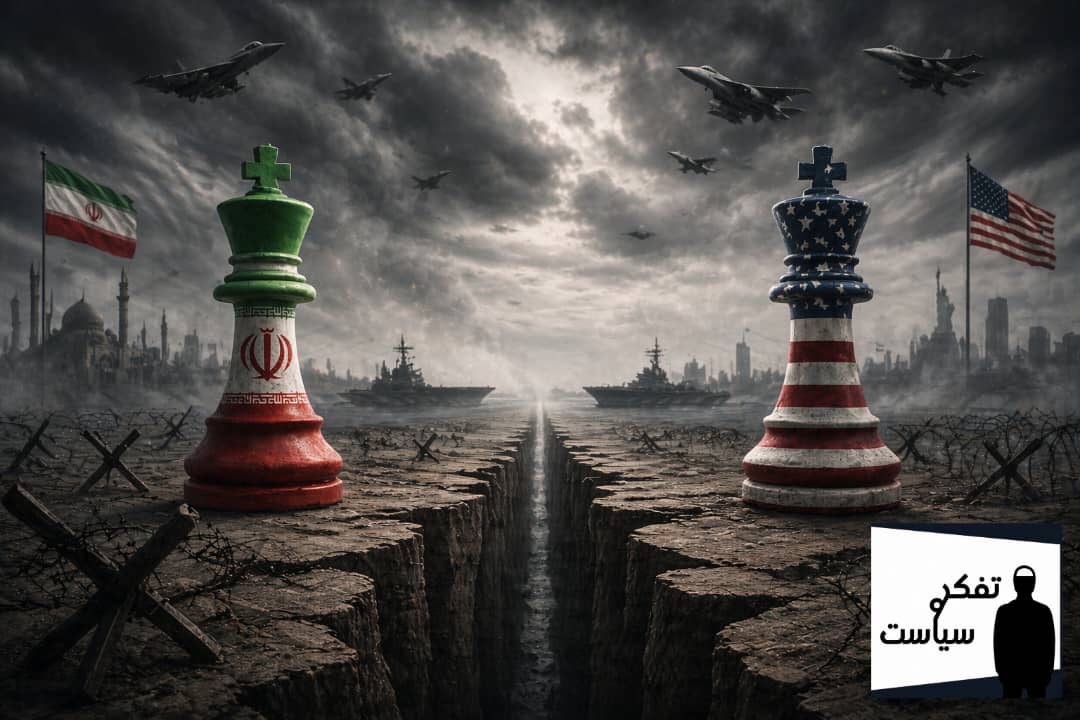
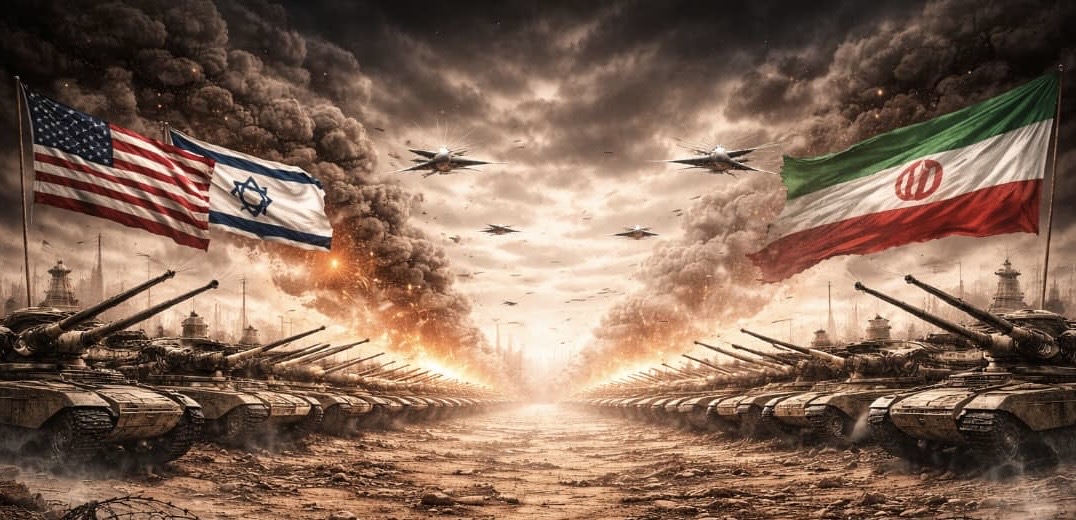
What is taking place today between Iran and the United States is neither a classic war nor a real peace. This confrontation has reached a stage where neither a decisive victory nor an easy retreat is possible. The result is a state of attrition that continues every day: pressure, resistance, and waiting.
Behind the scenes of the confrontation; a struggle over “control” or “independence” This crisis goes beyond a political or nuclear dispute. The main issue is the type of Iran’s place in the regional order: should Tehran act within the framework desired by Washington, or can it maintain its independent path?
From the American perspective, containing Iran is not limited to one issue, but includes its regional influence, military power, and political orientation. In contrast, Iran has seen these pressures as an attempt to change its nature and position and has resisted them. In the meantime, Israel’s role as an active player in the field has become more prominent than ever.
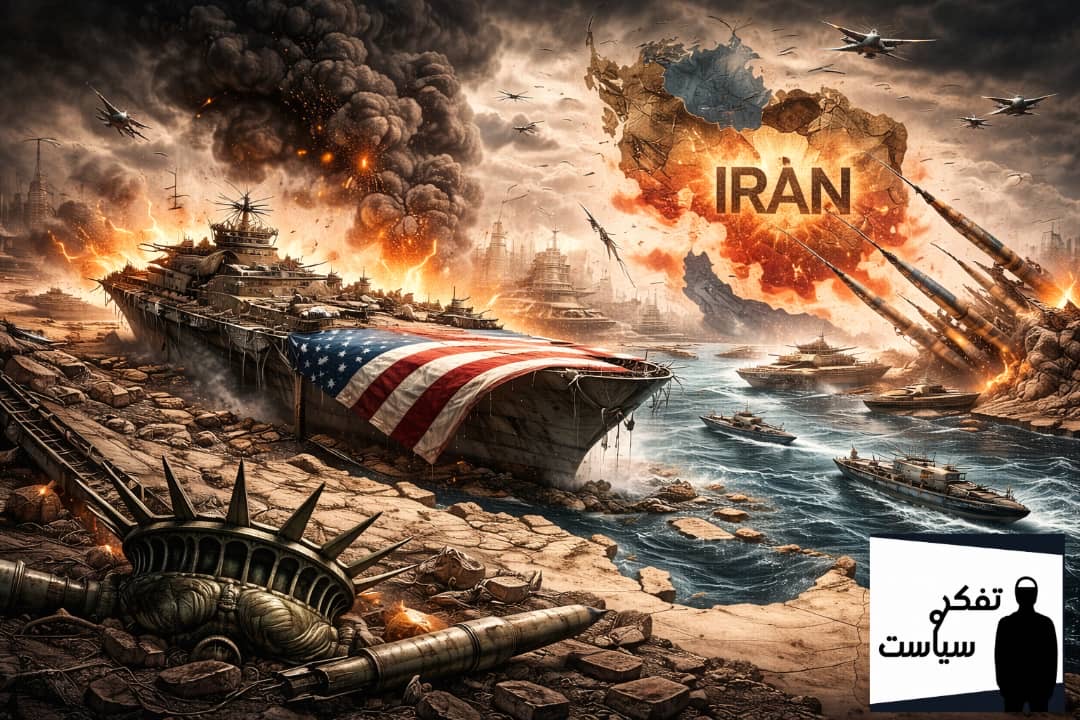
Why did the war fail? As time has passed since the escalation of the conflict, one fact has become clear: neither side has achieved its main goals.
The United States has failed to bring about a decisive change in Iran’s behavior
Iran has also not retreated from its key positions under military pressure
This situation indicates the formation of a kind of balance; a balance that leads neither to victory nor defeat, but to a stalemate.
Ceasefire; End or Pause? The current ceasefire is more of a temporary pause in the process of tension than a sign of an end. The synchronism of political statements with military movements shows that the policy of pressure continues, although military means alone have not been able to bring the desired result. In fact, the war has not stopped, but its form has changed.
Negotiations under the shadow of threatsAlongside the battlefield, the path of diplomacy is also still active. The attempts of some countries to mediate show that dialogue has not yet been completely abandoned. However, the main gap remains:
The United States wants extensive changes
Iran does not accept these conditions
As a result, negotiations help manage the tension more than solve it fundamentally.
The future; neither peace nor war The outlook ahead is likely to be the continuation of a complex and stable situation:
There will be no extensive war
There will be no real peace
Pressure and resistance will continue
This is the situation that can be called a “permanent suspension”; a condition in which the crisis neither ends nor fully escalates, but is controlled.
Conclusion: An Indecisive Confrontation This crisis has not yet reached a decisive point. Neither side has been able to impose its will, nor has the groundwork been laid for a lasting agreement. The root of the tension—the conflict between external pressure and independence—remains. Until this gap is resolved, any ceasefire, negotiation, or retreat will be only a temporary move in the midst of a long crisis.
Endless War; Power Stalemate Between Iran and the US