Iran War: From Miscalculation to Strategic Deadlock
Kabul Times News)
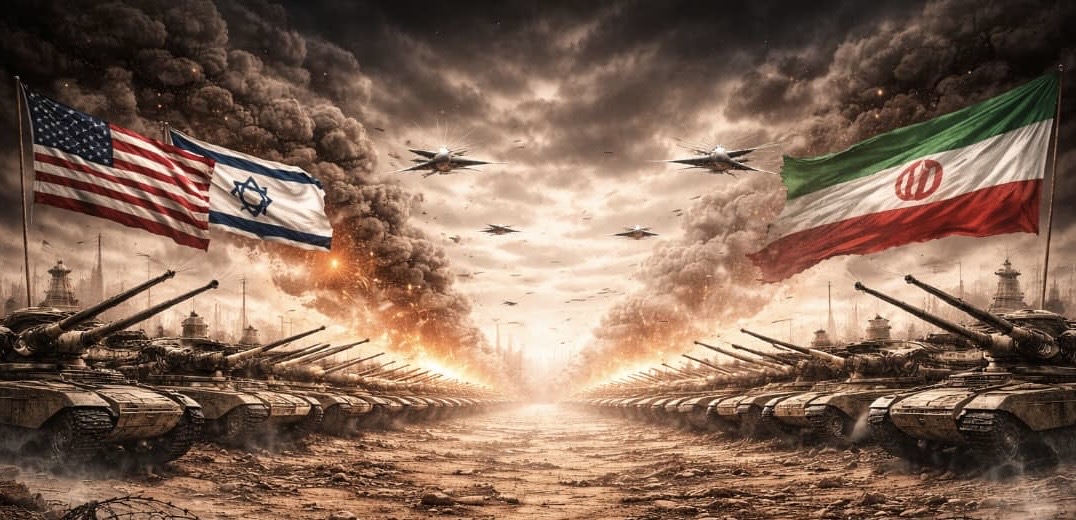
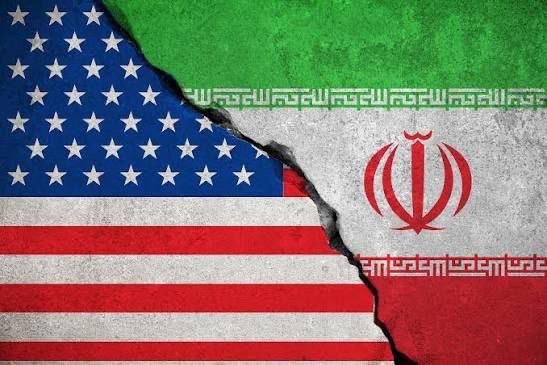
The Iran War, which began on February 28, 2026, with joint U.S.-Israeli airstrikes, did not turn into the swift, decisive operation initially expected and has instead reached a strategic deadlock.
Beginning and Miscalculation
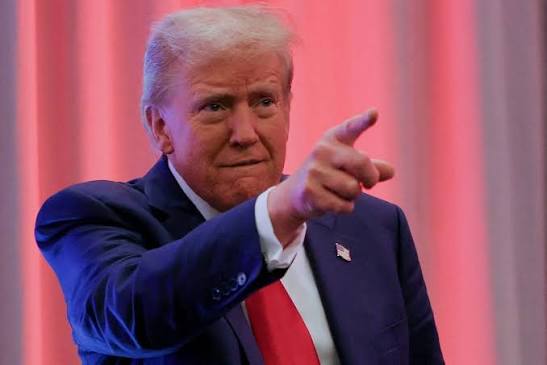
Netanyahu convinced Trump to launch a rapid strike aimed at collapsing Iran’s leadership, destroying its military capabilities, and forcing quick surrender. Despite the assassination of Supreme Leader Ali Khamenei and widespread attacks, the regime did not collapse, central control held, and the war did not remain short. The initial calculations were based more on optimism than on-ground realities.
Battlefield and the Strait of Hormuz
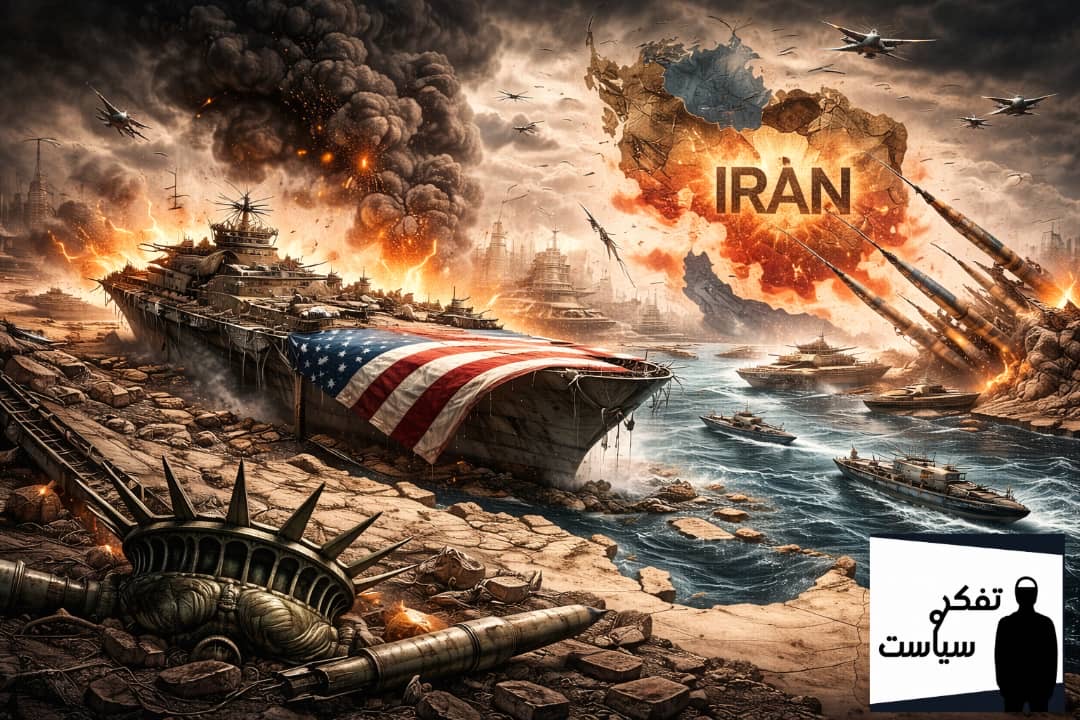
Iran responded with missile and drone attacks and maintained operational control over the Strait of Hormuz — the vital chokepoint for global energy. This created a deterrent balance, raised the economic costs of the war for the United States, and shifted Iran from a purely defensive position to an influential player. The U.S. imposed a naval blockade on Iranian ports, but Iran has preserved its grip on the Strait and continues to threaten escalation.
Diplomacy and Ceasefire
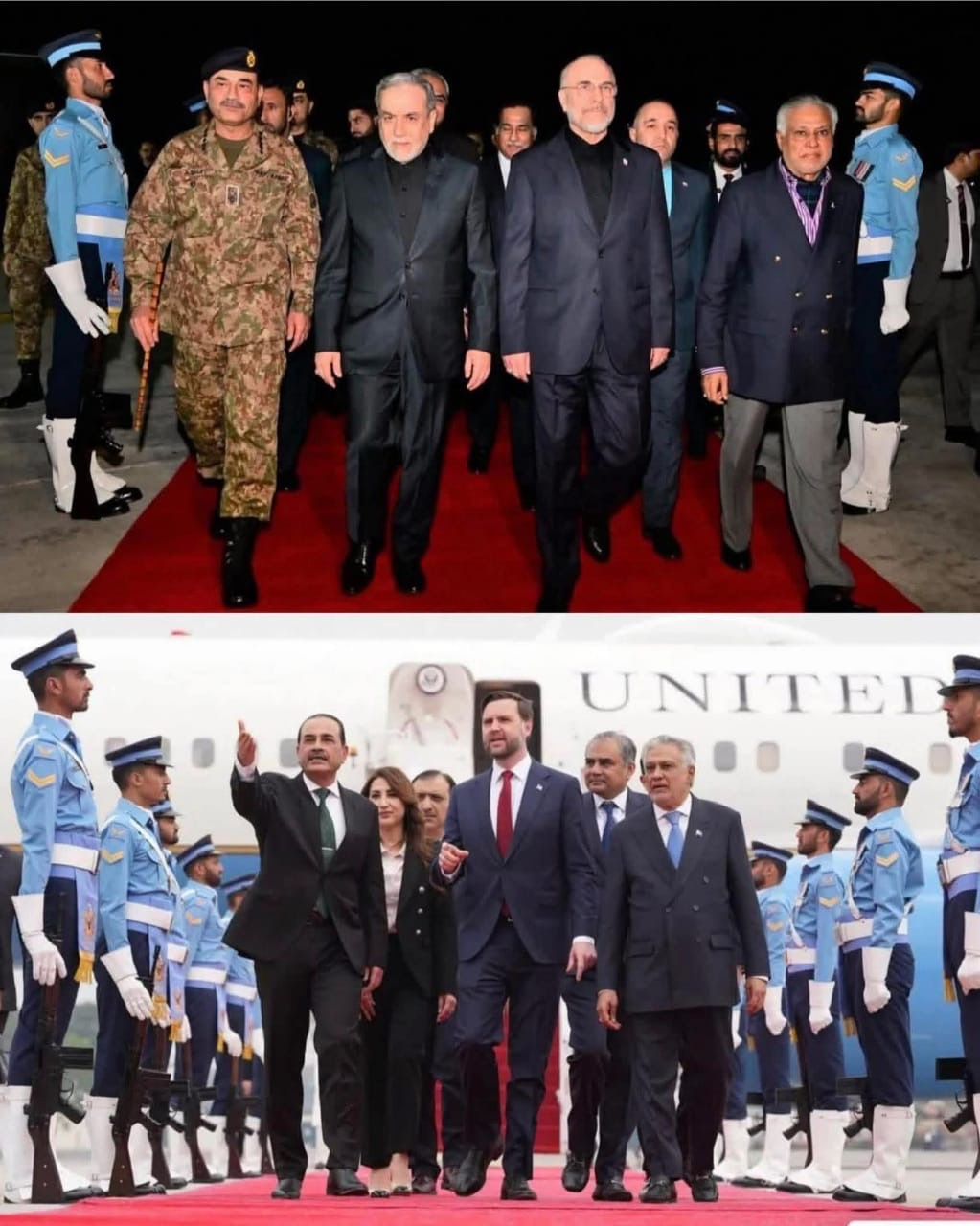
Pakistan played a key mediating role. A fragile two-week ceasefire, brokered by Pakistan, took effect on April 8. Indirect contacts and some direct talks occurred in Islamabad, yet deep differences over the nuclear issue and the Strait of Hormuz prevented major progress. Both sides have recently announced that the Strait is open to commercial shipping, though Iran insists on oversight and designated routes. The ceasefire remains shaky and is set to expire soon.
Future Outlook: Three Likely Scenarios
1. Exit with a Victory Narrative: Trump may seek to reduce domestic and international pressure by declaring military success and stepping back from the conflict.
2. Return to Negotiations: Reports indicate a possible resumption of talks, mediated by Pakistan, which could lead to a limited agreement on nuclear or energy issues.
3. Renewed Escalation: U.S. naval presence, Israeli military movements, and Iran’s continued control over the Strait of Hormuz increase the risk of the ceasefire collapsing and fighting resuming.
Conclusion
This war has shown that major powers’ calculations can go badly wrong, regional actors can reshape global equations, and modern conflicts often drift toward attrition and complexity rather than quick victory.
The current situation is a “frozen deadlock”: neither easy withdrawal nor rapid achievement of goals is possible. The future depends on political developments in the U.S., Iran’s resilience on the ground, the role of mediators, and the global economic impact — especially on energy markets. The region remains on edge as the fate of the Strait of Hormuz and upcoming talks will likely decide the next phase.
Iran War: From Miscalculation to Strategic Deadlock