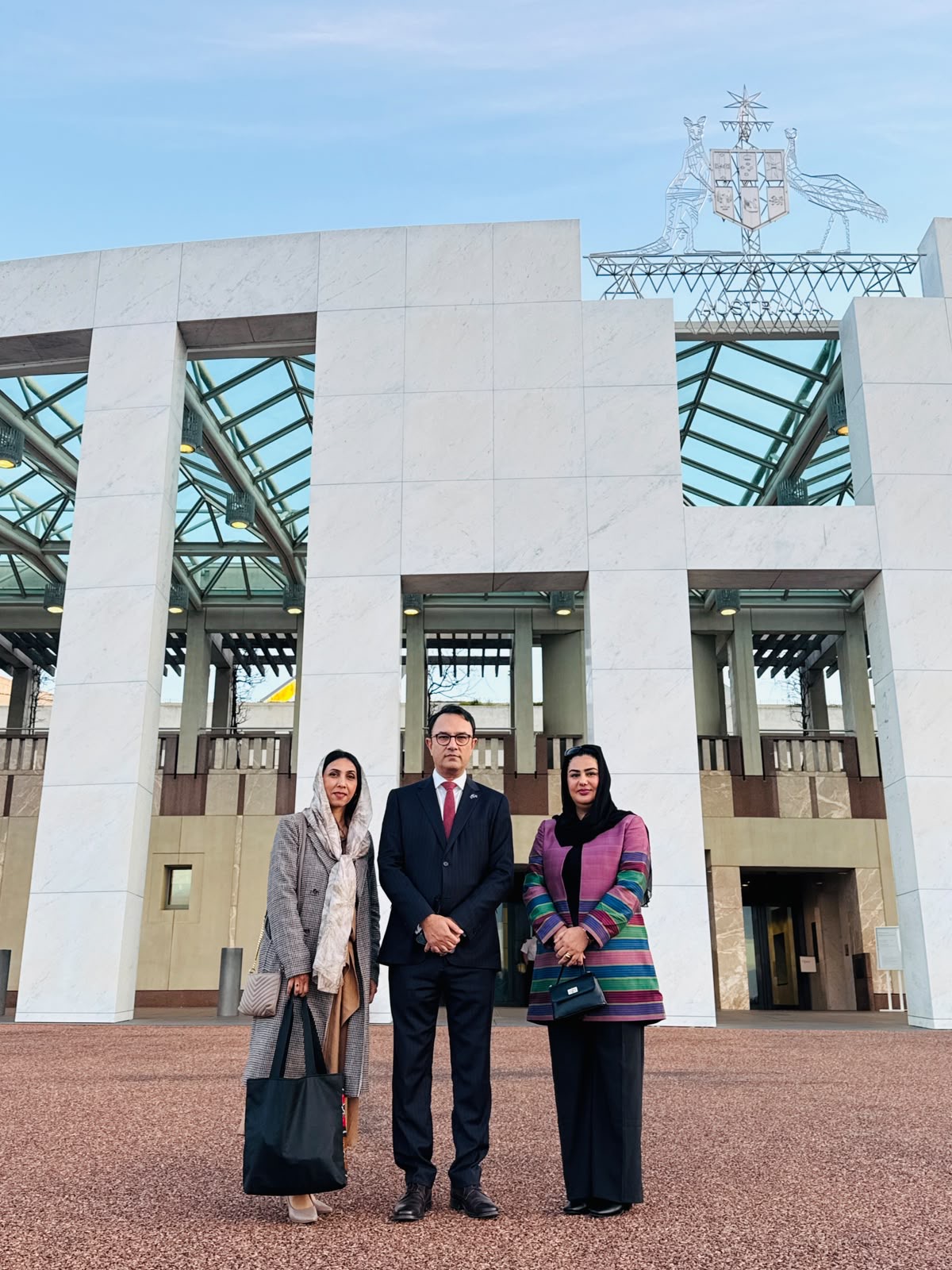
Today, at the Australian Parliament, during a ceremony marking the launch of the Parliamentary Friendship Group with the People of Afghanistan, appreciation was expressed for the efforts and work of Mr. Wahidullah Waissi, Ambassador of the Islamic Republic of Afghanistan, and the team of the Afghan Embassy in Canberra.
The Embassy of Afghanistan in Australia described this initiative as a sign of Australia’s continued friendship, solidarity, and commitment to the people of Afghanistan. During the event, the Speaker of the Australian Parliament reaffirmed his country’s commitment to the Afghan people, praised the services of the Afghan ambassador and his colleagues, and emphasized the Parliament’s ongoing support and solidarity with the people of Afghanistan.
Julian Hill, Co-Chair of the Parliamentary Friendship Group with the People of Afghanistan, also commended Mr. Waissi’s role in strengthening relations between the two countries and in advocating for human rights.
Australia’s Deputy Foreign Minister also referred to the alarming human rights situation in Afghanistan and stressed that Australia would not allow the current situation in Afghanistan to become a “new normal.” He emphasized the continuation of Australia’s humanitarian assistance, support for the rights of Afghan women and girls, and efforts to hold the Taliban accountable for human rights violations.
Mr. Waissi’s presence at this ceremony in the Australian Parliament came despite the fact that only a few months ago, the Australian government, through an official letter, suspended the activities of the Afghan Embassy in Canberra — a matter that has been deeply concerning and painful for many Afghan refugees, migrants, and citizens living in Australia.
Today, I felt the fall of Afghanistan once again.
At a time when the people of Afghanistan are enduring one of the darkest and most difficult periods in their history, and when Afghan women are deprived of their most basic human rights — including education, work, and participation in society — any action that weakens the voice of the Afghan people in the world deepens our fear and despair.
For many of us, the Afghan Embassy in Canberra was not merely a building; it was part of our identity, culture, and connection to our homeland. It was a place where the voice of the Afghan people — especially Afghan women — was heard and where their rights were defended. In truth, it reflected the voices, pain, and realities of the Afghan people; a place where advocacy programs and campaigns, including those held under the name A Thousand Shining Suns, were repeatedly organized in defense of the rights of Afghan women and the people of Afghanistan.
The closure of the embassy — especially at a time when the situation of women and human rights in Afghanistan is catastrophic — has created deep disappointment among many of us Afghans. We expect countries that claim to defend human rights to stand with the people of Afghanistan, especially Afghan women, and to support their fundamental rights.
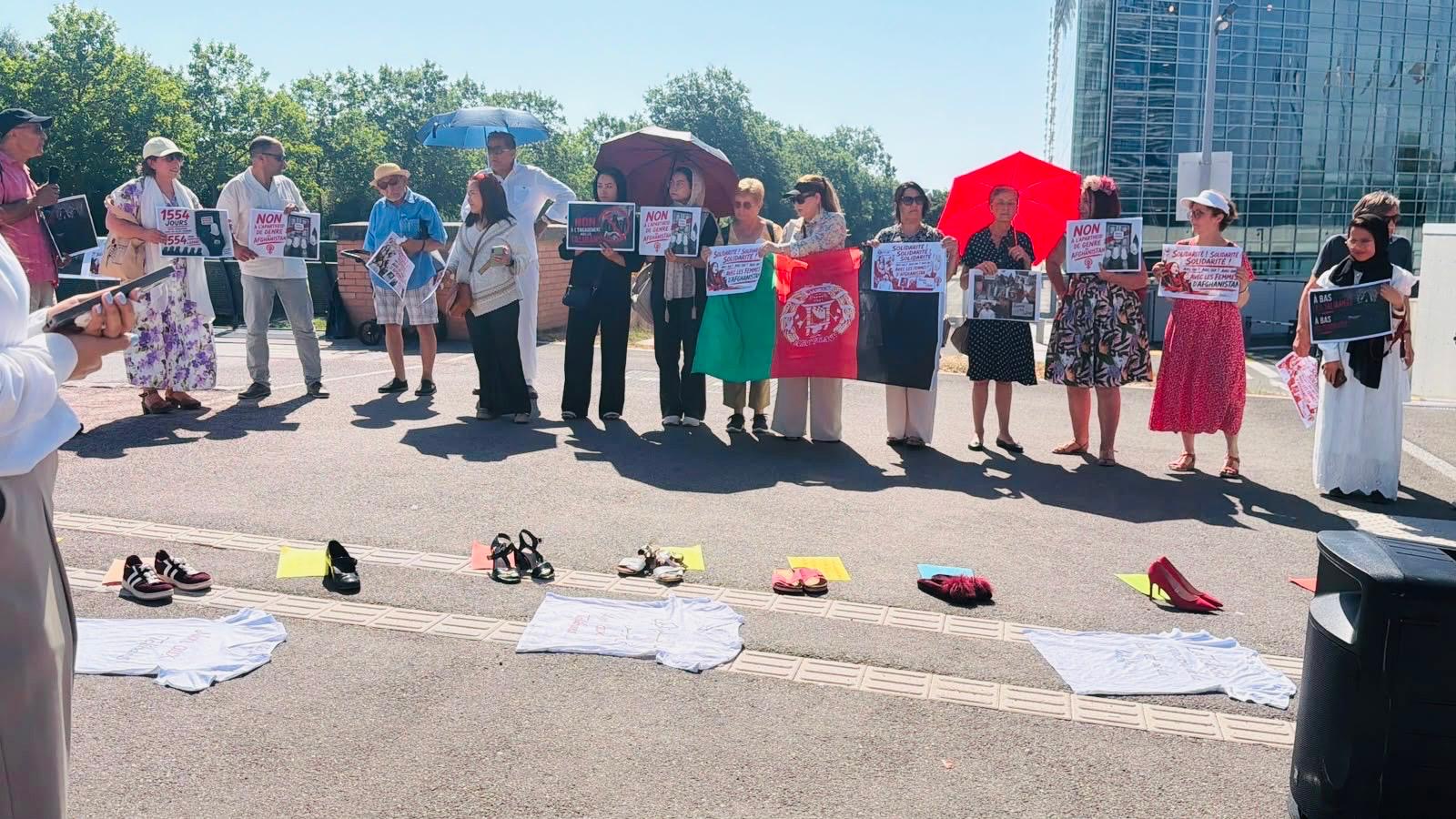
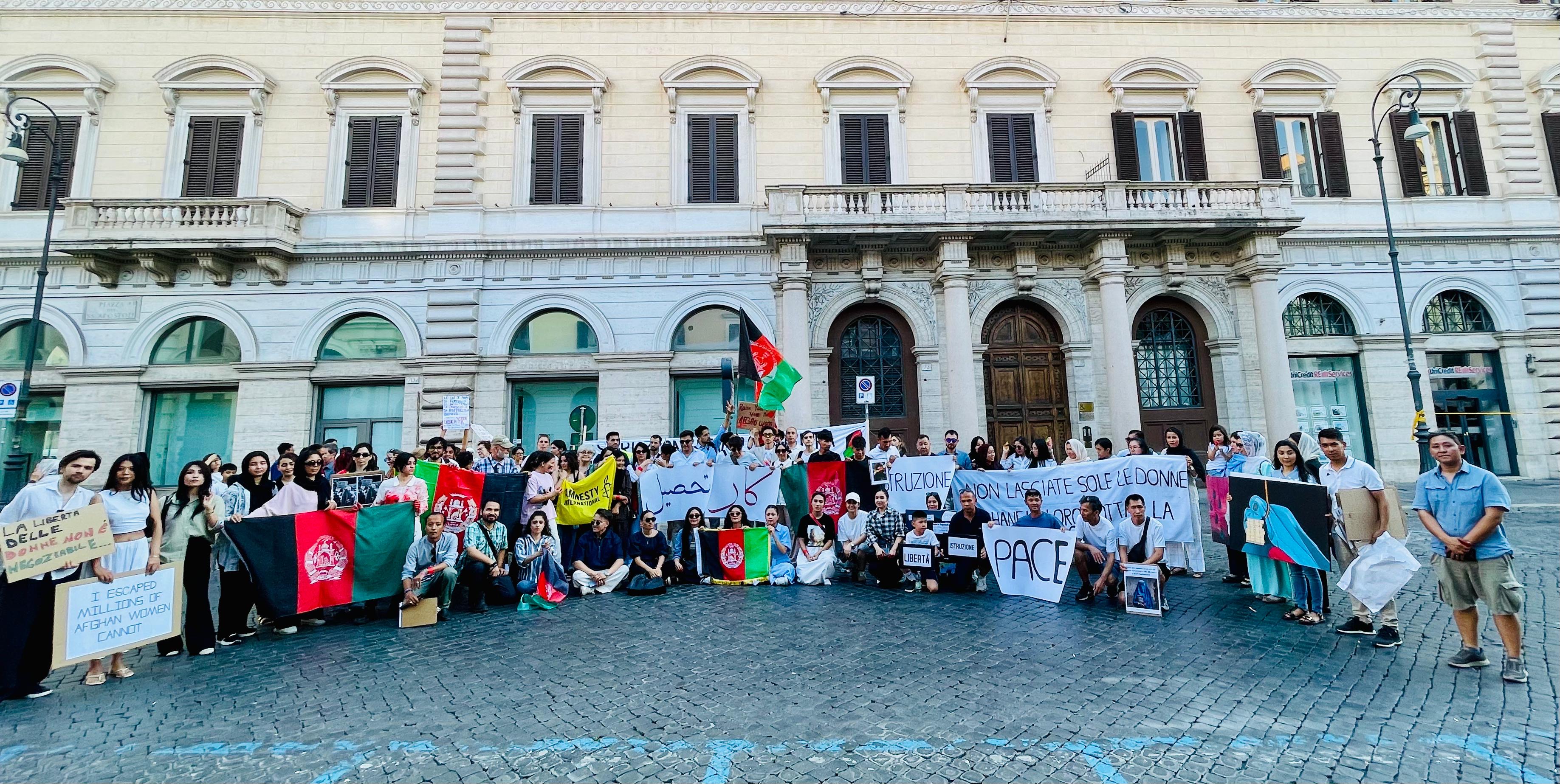
I also hope that the international community and the Australian government will take practical steps toward recognizing gender apartheid in Afghanistan. As Mr. Waissi also emphasized, Afghanistan is in an extremely difficult situation, and Afghan women today are living under the harshest forms of discrimination, deprivation, and oppression. Gender apartheid in Afghanistan must be recognized.
I hope that the Australian government, as in the past, will remain alongside the people of Afghanistan — especially Afghan women — and will find ways to continue consular services and support for the Afghan community in Australia, and will not allow the voice of the Afghan people to be silenced in the world.
Do not forget Afghanistan.
Do not forget Afghan women.
Stand in solidarity with Afghan women.
Recognize gender apartheid.
Civil activist and protester Sanam Kabiri writes