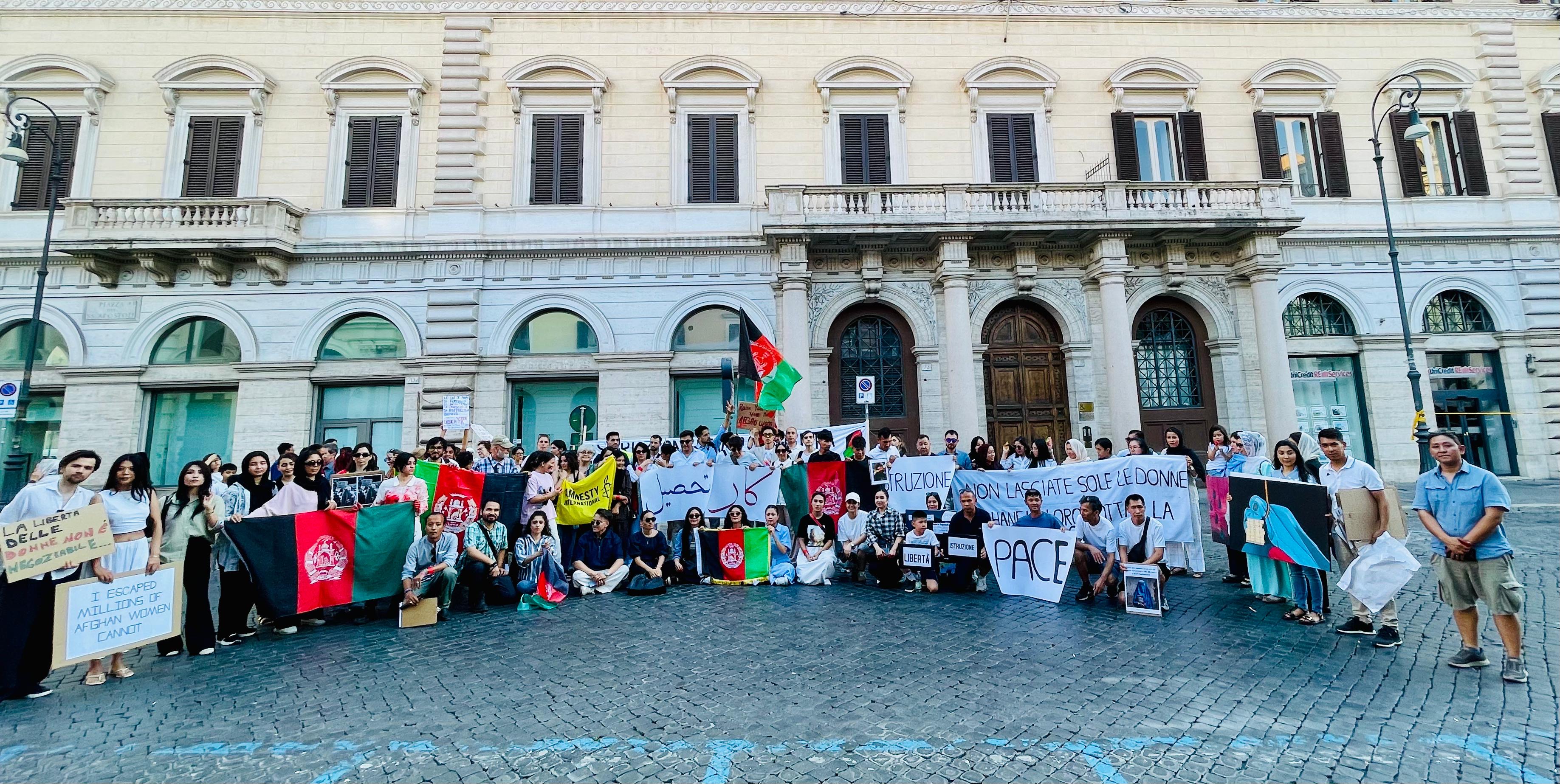
The suffering of Afghan women under Taliban rule in 2026.
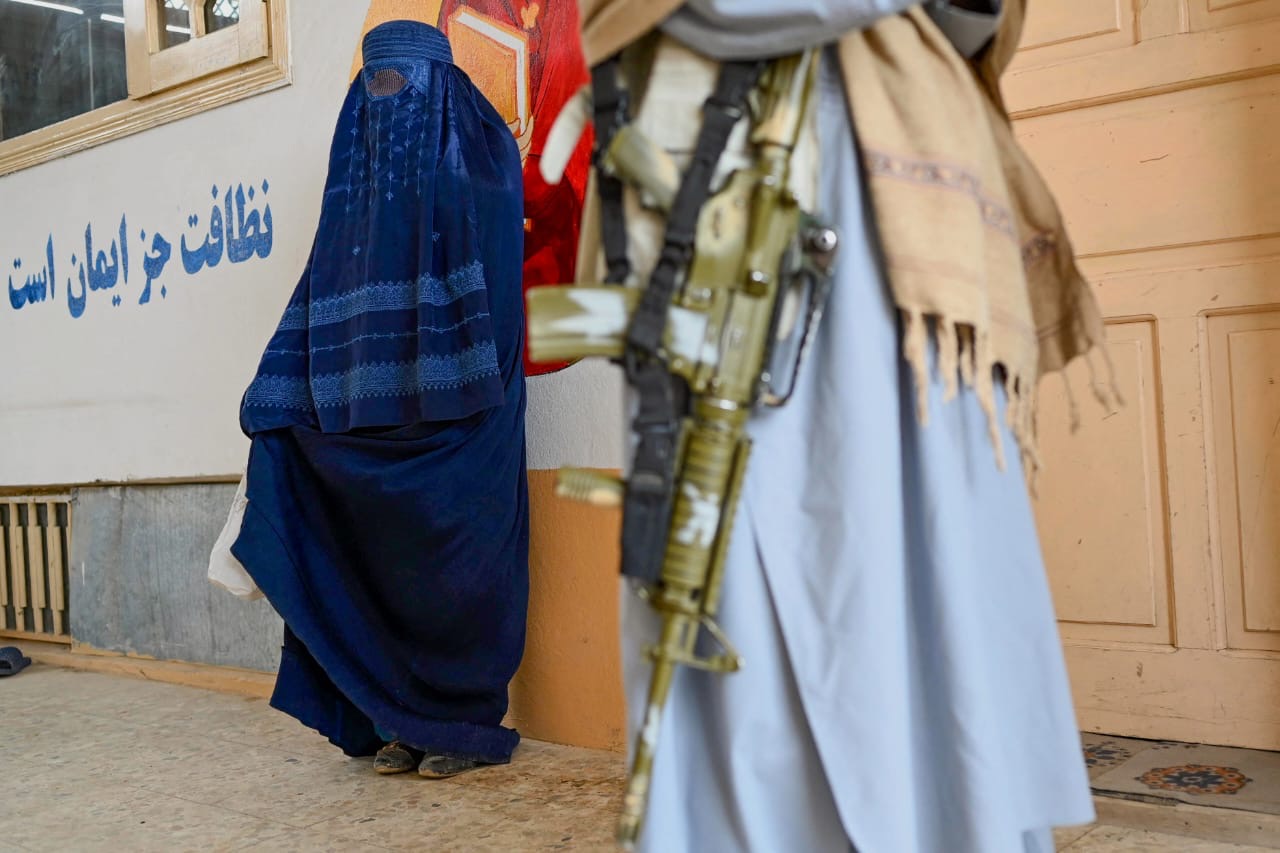
The situation of Afghan women under Taliban rule is accompanied by severe restrictions, complete exclusion from public and educational spheres, and deprivation of basic human rights, which has created a deep humanitarian and psychological crisis for them.
The main dimensions of this suffering and deprivation are as follows:
Deprivation of education: Girls above the sixth grade and female students have been deprived of attending schools and universities. This has led to a sharp decrease in job opportunities and an increase in depression and ultimately an increase in suicide among Afghan women and girls, with 9 suicides recorded in Balkh, Herat, Ghazni, Badakhshan and Takhar provinces in 2026.
Employment ban: Women are prohibited from working in government departments (with the exception of limited sectors of health and education), NGOs and international institutions.
This restriction has also led to forced marriages, running away from home, etc., which in 2026, 8 women have been affected.
Severe restrictions on personal freedoms:
Women are not allowed to travel without a “Shariah mahram”. Their clothing is strictly controlled and there are numerous reports of arbitrary arrests for not observing the Taliban’s required hijab.
Unfortunately, in 2026, the number of Afghan women and girls arrested by the Taliban on the pretext of not wearing the hijab has increased sharply. From early 2026 to June 1, 2026, more than 80 arrests were recorded in the four provinces of Kabul, Herat, Mazar-i-Sharif and Badakhshan and the report has been published.
Exclusion from social spaces:
Women are prohibited from being present in parks, public baths, gyms and beauty salons.
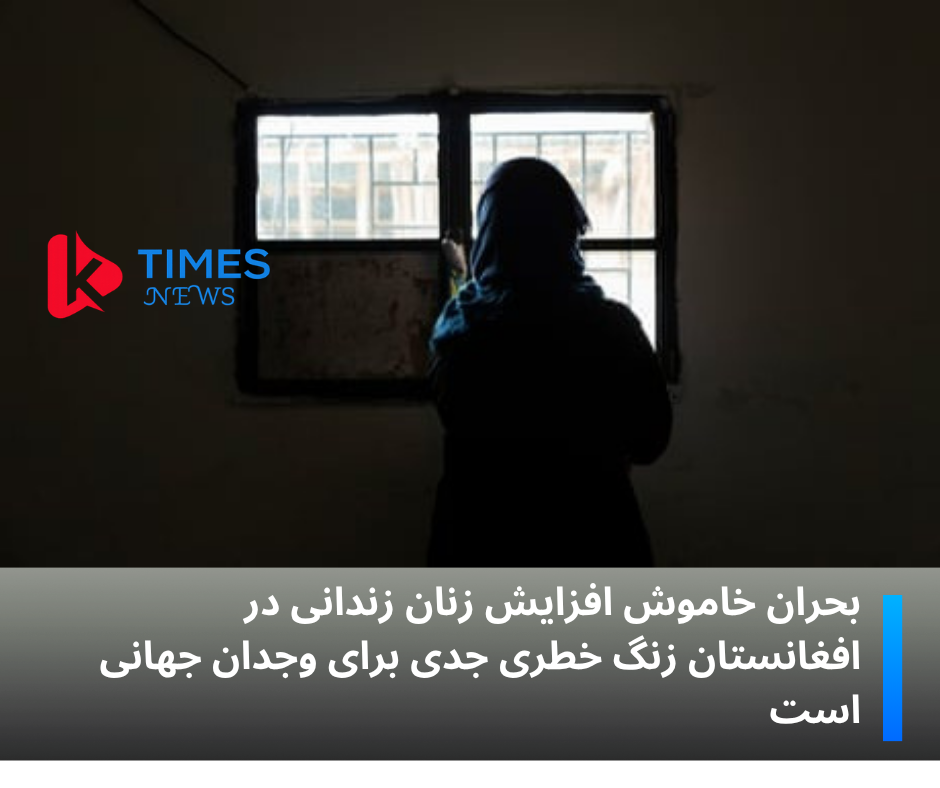
This has also exposed Afghan women and girls to psychological and emotional problems, which in itself is considered violence, and according to one neurologist (family psychologist), in 2026 he had more than 150 referrals for such disorders.
Health and Safety Crisis: Restrictions on women's work have brought the Afghan health system to the brink of collapse and have seriously challenged women's access to health services.
According to international human rights organizations, this is the largest form of non-public violence against Afghan women, as Afghan women have been systematically excluded from the Afghan health system on the pretext of not having a mahram or not wearing the hijab. A number of women who accepted these conditions were also faced with salary and benefits deductions by the Taliban to force Afghan women and girls to leave the health field and stay home. Women's exclusion from the Afghan health system leads to the deaths of thousands of Afghan women and girls. In 2026, more than 40 Afghan women and girls died due to lack of access to female specialist doctors.
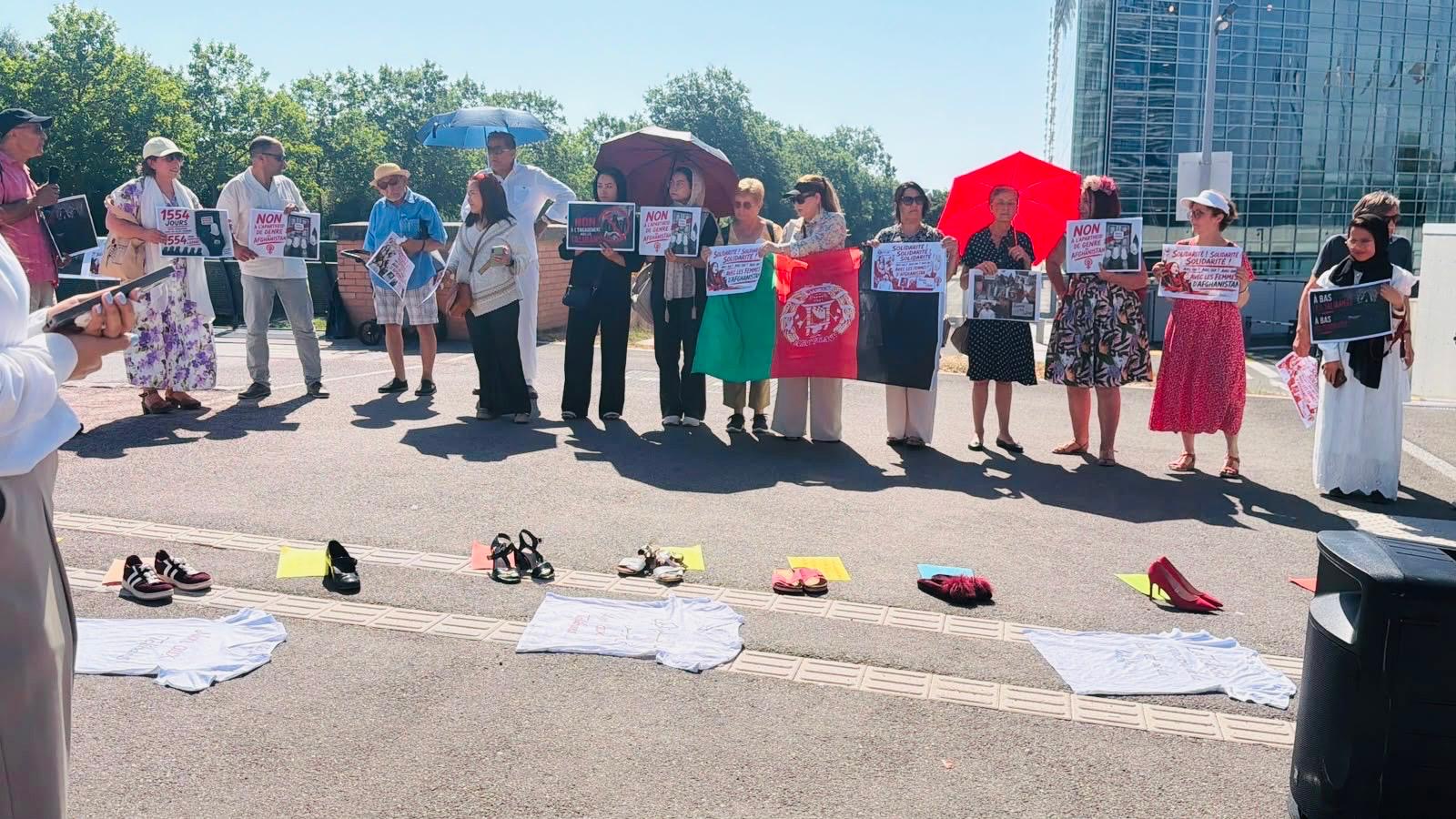
Reports by human rights organizations always emphasize that these policies are systematic and are a clear example of "gender apartheid."
The Taliban has not released official and centralized statistics on the deaths and injuries of women, but UNAMA (the United Nations Assistance Mission in Afghanistan) records civilian victims of wars and targeted violence in its documentary reports.
Based on the latest data and reports from the United Nations and human rights organizations, the status of casualties and violence is as follows.
Sexual and gender-based violence:
According to a report by the United Nations Security Council, UNAMA has documented 21 cases of sexual violence, including gang rape against 15 women and 6 girls, in Afghanistan in the past year.
Casualties from border conflicts:
Dozens of civilians, including women and children, have been killed and injured in border conflicts and airstrikes. For example, in recent airstrikes in the eastern provinces, according to UNAMA, 13 civilians (including women and children) were killed and 10 others were injured.
Targeted Killings:
Reports indicate systematic assassinations of women, including former government employees; so much so that this year dozens of female employees, including female attorneys, have been subjected to violence, threats, and attempted murder, including two female attorneys and a woman named Badriya, the wife of Abdul Matin Idrak, who were also killed in Kabul near the Appellate Court of Alban.
Report: Shahpour Nayebzada
The suffering of Afghan women under Taliban rule in 2026.