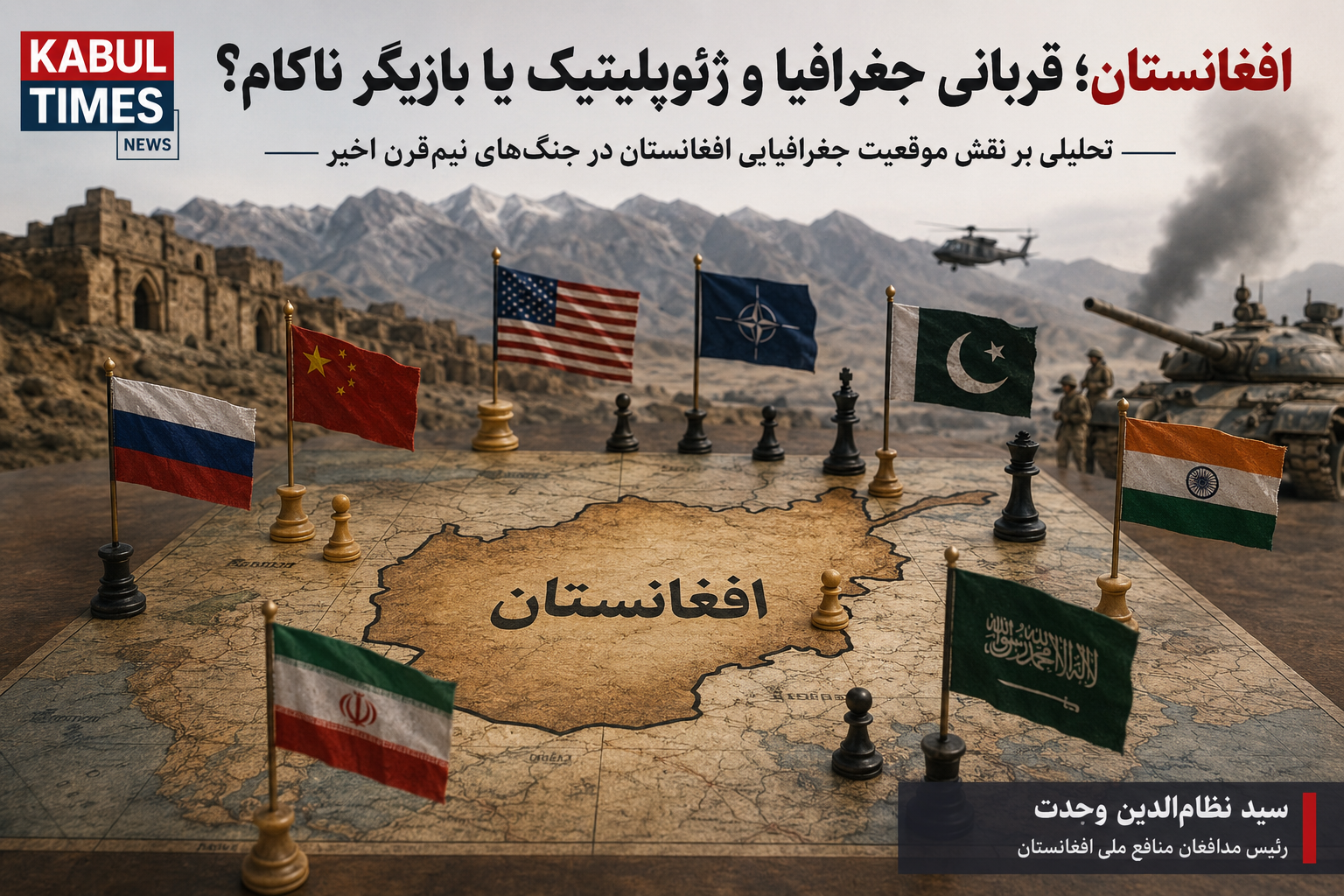
Afghanistan; Victim of Geopolitics or Failed Actor?
Due to its geographical location, Afghanistan has always been at the center of the competition between global and regional powers. From the “Great Game” between Britain and Tsarist Russia to the competition between the Soviet Union and the United States, the country has repeatedly become a battlefield for proxy wars.
During the Cold War, Afghanistan played the role of a “buffer state”; a country that the powers did not want their rival to dominate, but at the same time did not support the formation of an independent and strong Afghanistan.
The Soviet occupation in 1979, the support of the United States and Pakistan for the Mujahideen, the civil wars, the rise of the Taliban, and then the presence of the United States after 2001, all show that Afghanistan has been part of a larger geopolitical competition.
But the Afghan crisis is not just the result of foreign intervention. Internal divisions, corruption, weak state-building, and the dependence of political leaders have also played an important role in the continuation of the war and instability.
Historical experience shows that geography can make a country vulnerable, but the ultimate fate is determined by the type of leadership, national unity, and the ability to build sustainable institutions.
Afghanistan today is faced with two historic choices:
either to remain a competitive arena for others,
or to become an independent regional player.
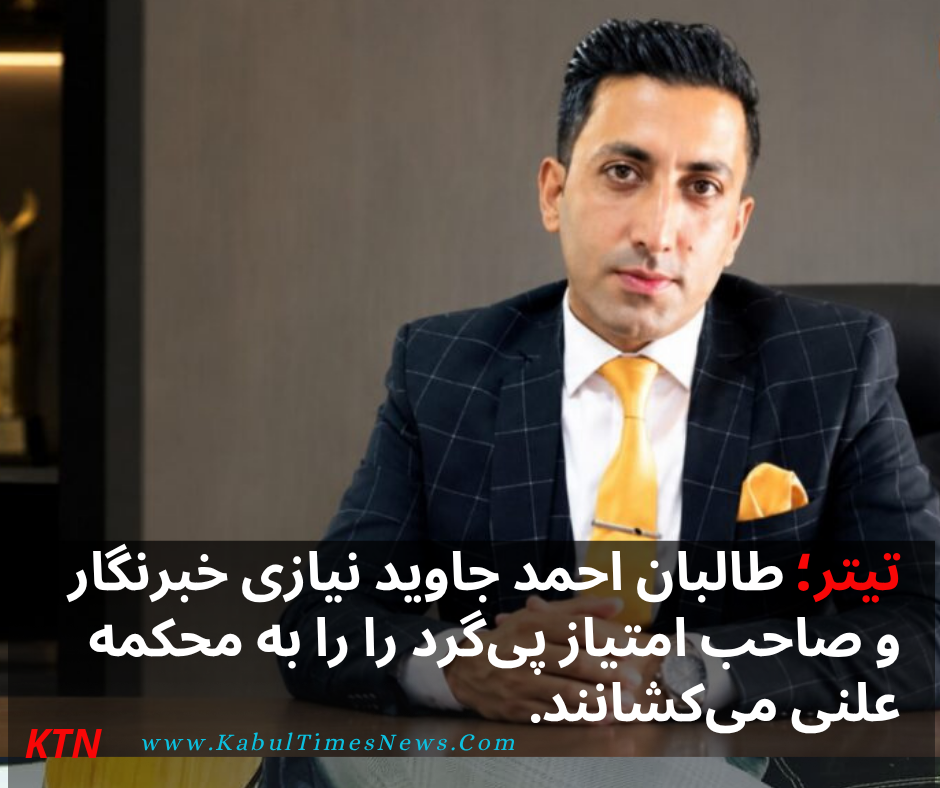
Syed Nizamuddin Wahdat
Head of the Afghan National Interest Defenders
For Kabul Times News
Afghanistan; Victim of Geopolitics or Failed Actor?